Responding to today’s conflicts around the world require practitioners, policymakers, artists, and community leaders who are equipped and ready to act.
These workshops draw on decades of fieldwork, institutional leadership, and firsthand experience in cultural institutions, conflicts and community actions, and create frameworks that leave participants with tools they can use immediately.
These workshops are structured as Design Labs, is a problem-solving technique that brings together numerous stakeholders around an issue to produce ideas about forming structures, processes or creative expressions that lead to more socially just, peaceful, resilient and vibrant communities.
Core Training Components
The role of cultural heritage and community resilience
Developing plans through the lens of conflict transformation
Discussing different types of value (evidential, artistic, informational and historical)
Teaching transferrable technical skills related to preservation
Creating cost-effective strategies for lower resourced communities and organizations
Analyzing the success of initiatives with the expertise of conflict transformation theory
What Participants Leave With
A working understanding of preservation in high-risk settings
Practical skills in both digital and analog archiving techniques
Frameworks for building community trust and ethical preservation practice
A portable, adaptable training model they can deploy within their own organizations
Example: Heritage Recovery in Times of Conflict and Disaster
The Heritage Recovery Design Lab is an immersive, facilitated expert workshop for practitioners working at the intersection of cultural heritage, humanitarian response, and peacebuilding. Built around the PATH framework and the First Aid to Cultural Heritage (FAC) mission, the curriculum guides participants through structured inquiry, collaborative scenario-building, and the development of actionable strategies for heritage recovery in conflict and post-conflict settings.
Who It's For
Staff at cultural heritage institutions or working adjacent to heritage
Humanitarian aid and policy professionals
Museum directors and collections leaders working in fragile or conflict-affected contexts
Researchers, academics, and graduate students in peacebuilding, heritage studies, or international policy
Foundations and funders supporting cultural resilience work
What Participants Leave With
Fluency in the PATH framework and its practical application across conflict contexts
A sharpened ability to identify cultural drivers of conflict in heritage recovery projects
Strategies for inclusive, conflict-sensitive heritage decision-making
A professional network of peers working at the same demanding intersection
Where appropriate: a co-developed theory of change or action framework tailored to participants' specific context

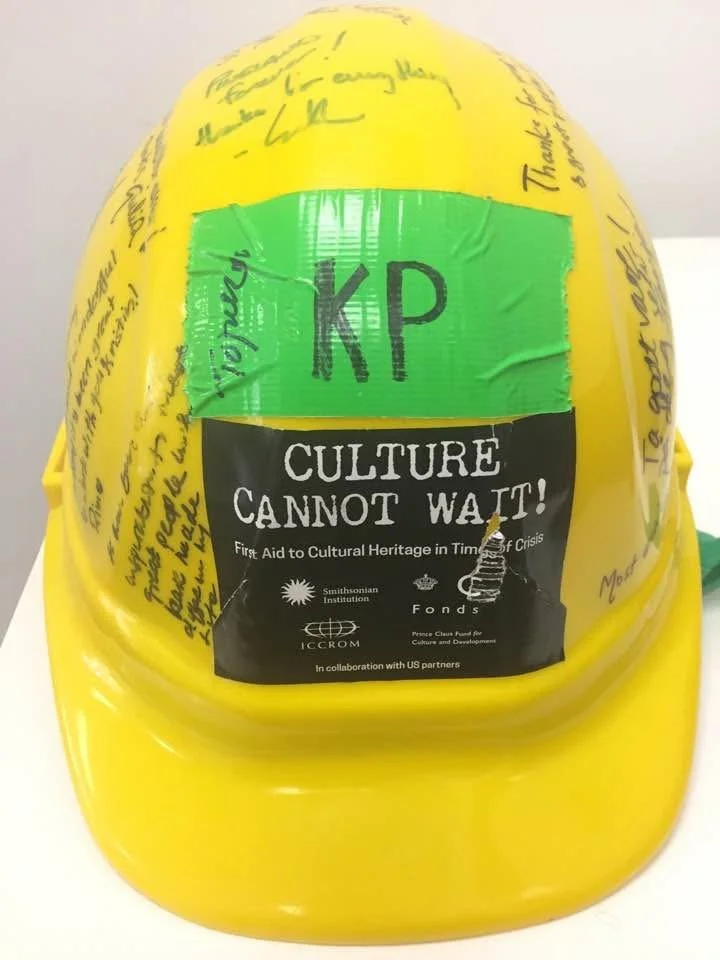 Image 1 of 10
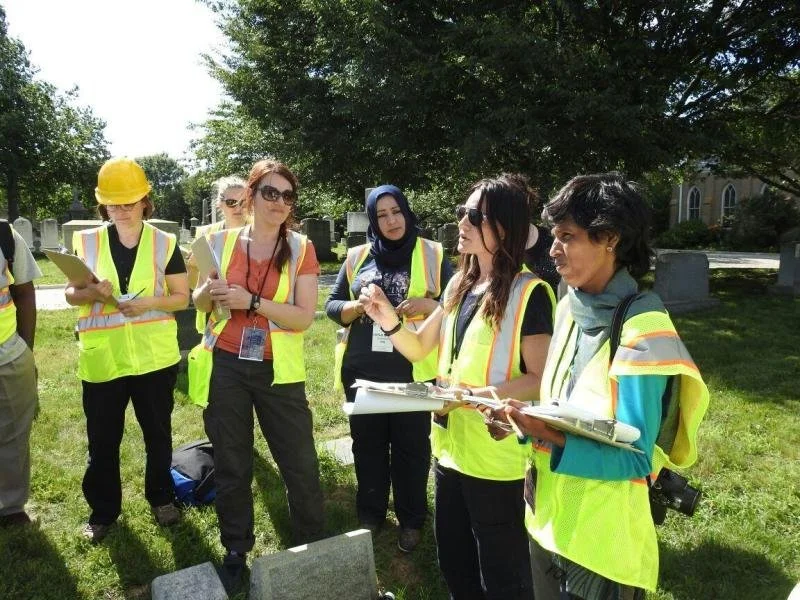 Image 2 of 10
 Image 3 of 10
 Image 4 of 10
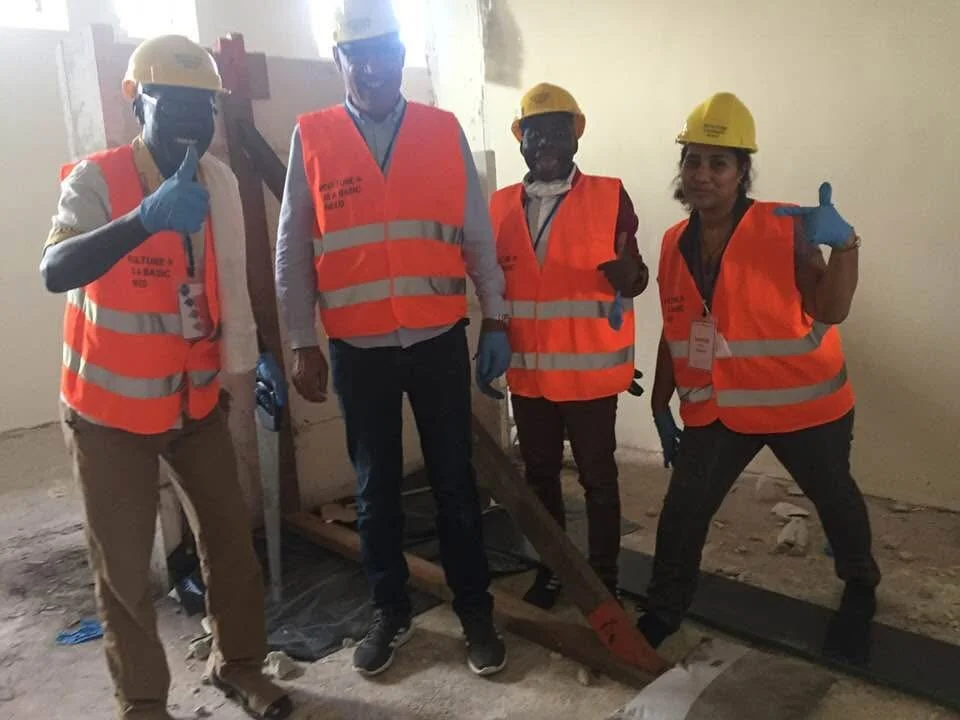 Image 5 of 10
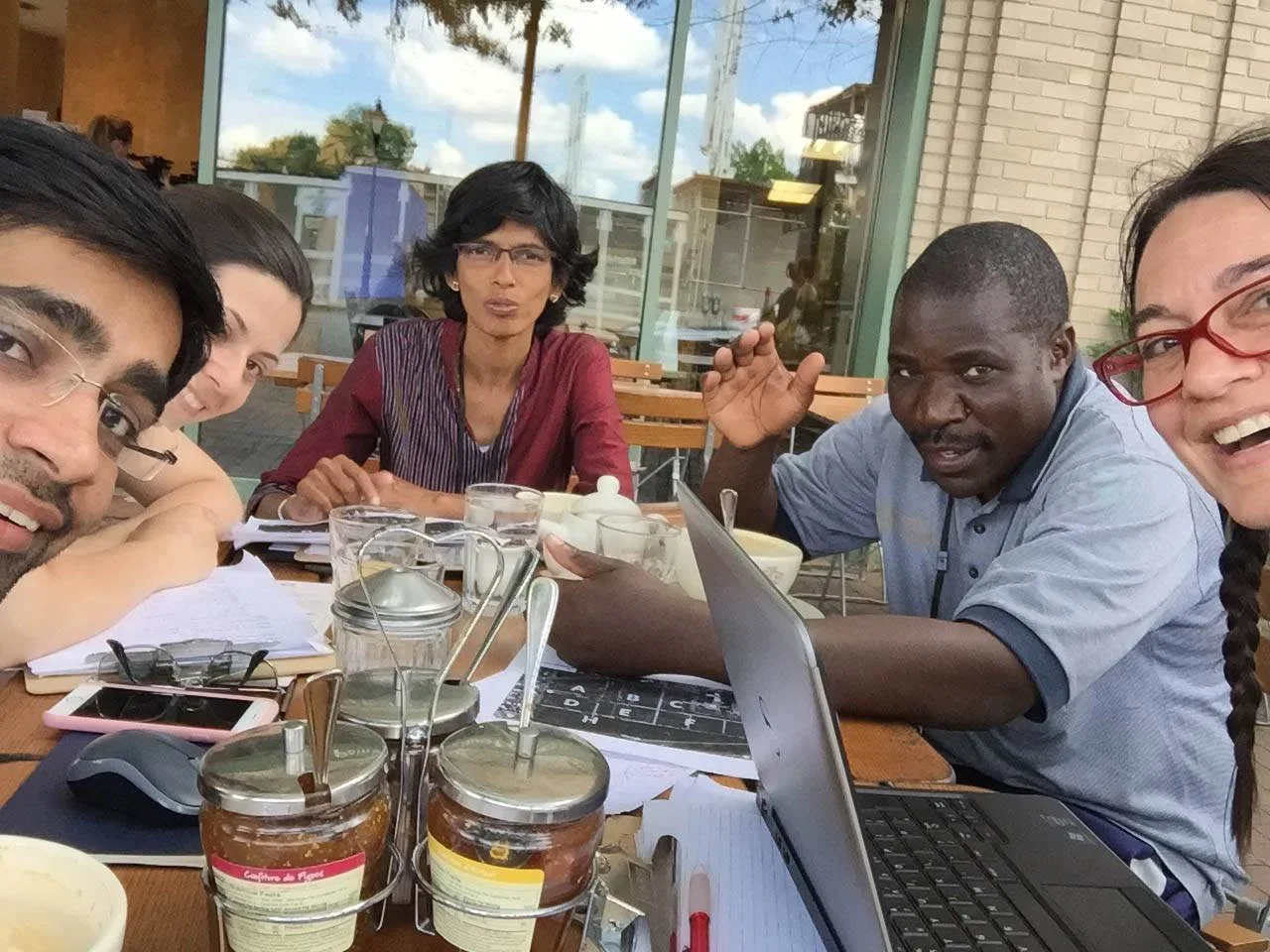 Image 6 of 10
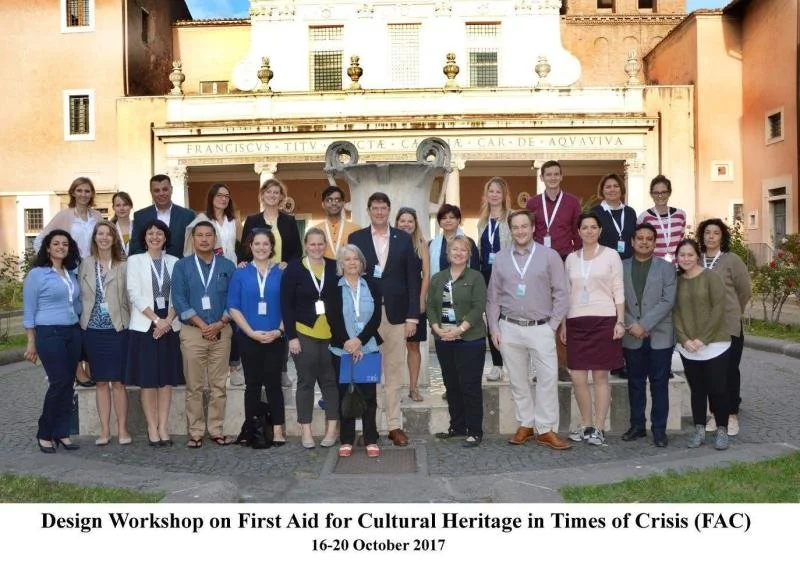 Image 7 of 10
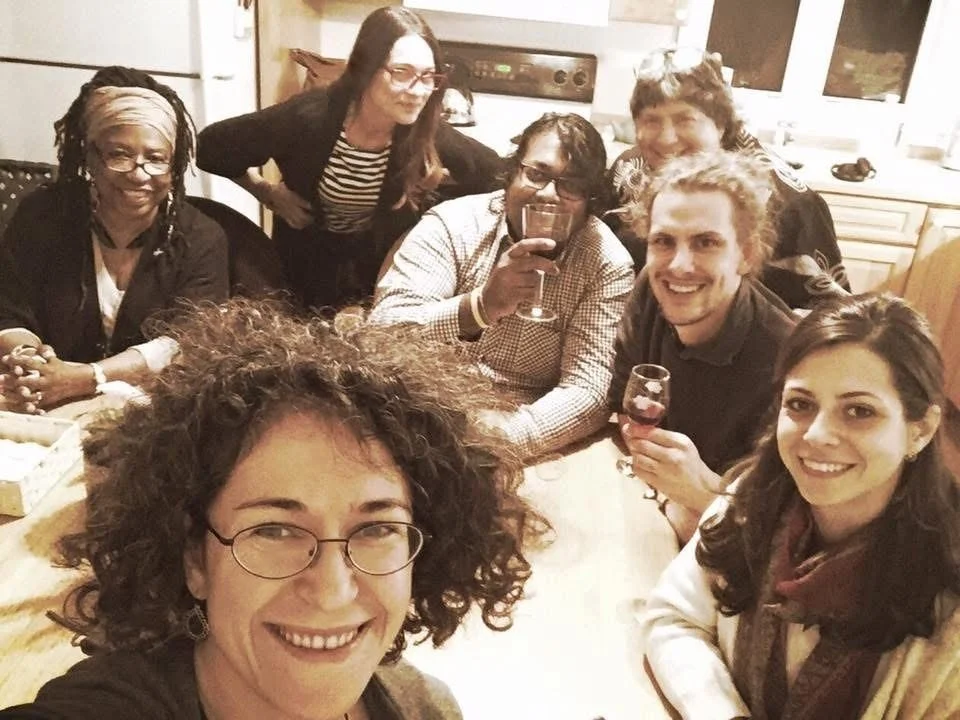 Image 8 of 10
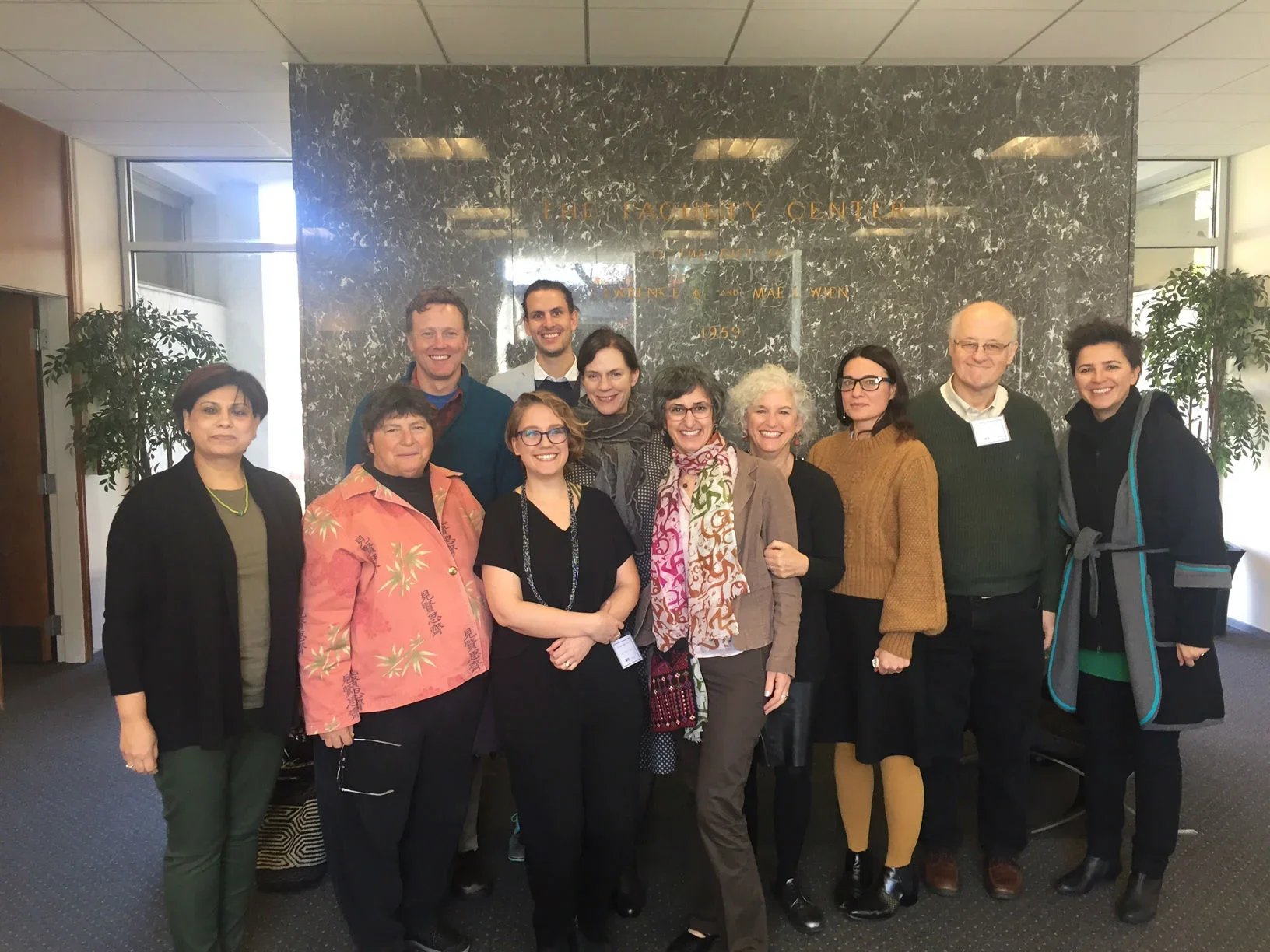 Image 9 of 10
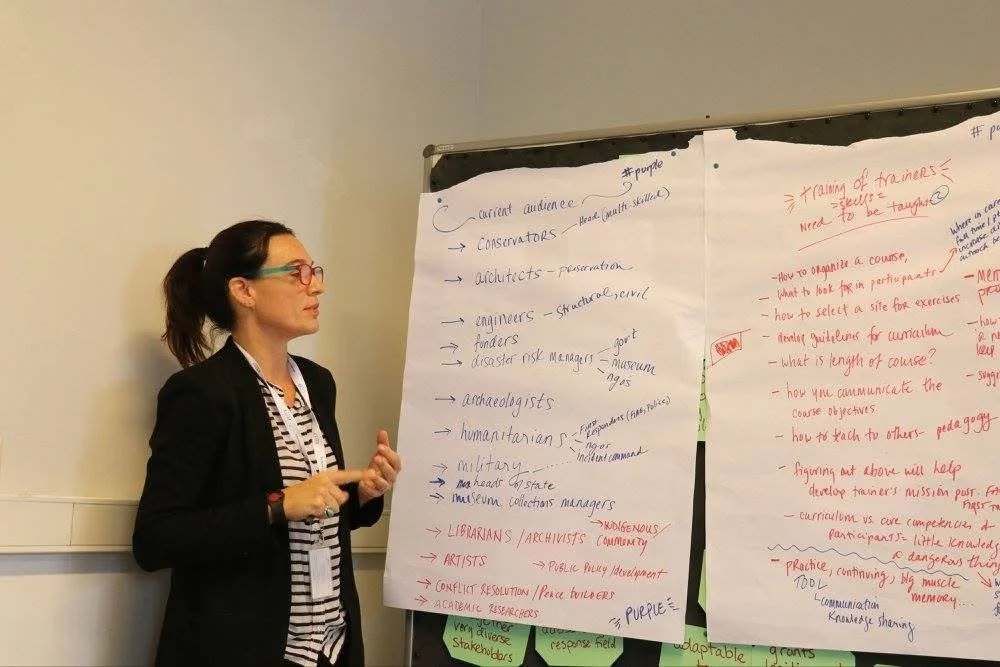 Image 10 of 10